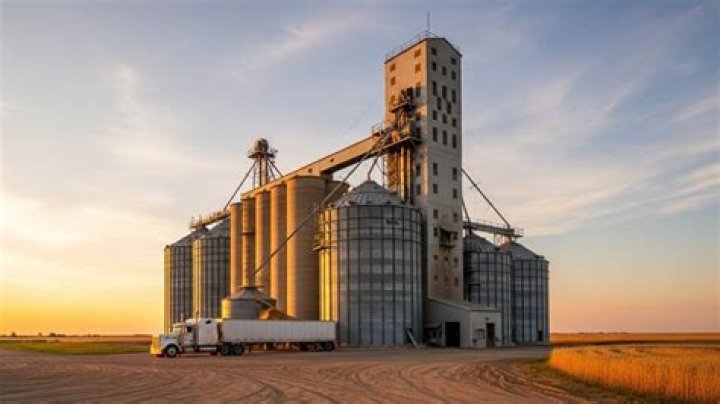
8 grain elevators
The Port of Thunder Bay has world-class facilities that efficiently handle 9 million tonnes of cargo annually. Facilities include: 8 grain elevators.
How does a wooden grain elevator work?
How Does it Work: Grain Elevators
- Combines harvest grain out of the field and transfer it to a grain cart or directly into a truck that can carry the crop to the grain elevator.
- The grain is then dumped from the truck to a work floor of the elevator.
Is the grain elevator still used today?
In the past few decades, however, an increasing number of grain elevators have been abandoned in cities. New shipping routes have allowed grain transport to bypass urban areas, and more than 9,400 silos are now idle throughout the United States, according to the Department of Agriculture.
How many ports does Thunder Bay have?
The 19 port authorities created by the act were 19 of the 20 most economically significant ports in Canada….
| Thunder Bay Port Authority | |
|---|---|
| Coordinates | 48°24′23″N 89°13′01″WCoordinates: 48°24′23″N 89°13′01″W |
| UN/LOCODE | CATHU |
| Details | |
| Land area | 32 hectares |
What ships are in Thunder Bay today?
Expected ships in Thunder Bay
| ETA by AIS | Vessel | Size (m) |
|---|---|---|
| Dec 5, 06:00 | ALGOMA STRONGFIELD Bulk Carrier | 226 x 24 |
| Dec 6, 06:00 | ALGOMA DISCOVERY Bulk Carrier | 223 x 23 |
| Dec 6, 12:00 | FRONTENAC Self Discharging Bulk Carrier | 222 x 23 |
Why are grain elevators called elevators?
The name grain elevator comes from the method that is used to get the grain to the top. When a truck pulls onto the scale it is weighed, from there the grain gets dumped into the elevator. The original grain elevators were powered by steam and nowadays they are run by motors and electricity.
How do Grain Elevators make money?
The grain elevator doesn’t make money back on the crops until they’re sold again to food producers, so it’s dependent on credit from a bank to tide it over until the sale, but as commodity prices climb, grain elevators need to borrow more money.
How many murders were there in Thunder Bay 2020?
eight homicides
In 2020, Thunder Bay had eight homicides, which works out to a rate of 6.35 per 100,000, StatsCan said.
How bad is Thunder Bay?
In 2020, Thunder Bay reported the fourth highest violent crime rate (1,659 incidents per 100,000 population), behind Lethbridge, Moncton, and Kelowna. Statistics Canada also confirmed that – for the fifth year in a row – Thunder Bay had the highest homicide rate in the country, 6.35 per 100,000 population..
How do you stop a grain elevator from exploding?
To reduce the risk of a grain dust explosion or fire, focus on controlling dust and reducing the sources of ignition. Preventative measures include continuous housekeeping, sanitation, and regularly scheduled maintenance. Implement a housekeeping or sanitation program to decrease grain dust in all work areas.
When was the first grain elevator built in Thunder Bay BC?
Description: Massive grain elevators have been a dominant feature of the waterfront at Thunder Bay since 1883, when the first terminal was under construction. The earliest terminals built by the CPR were constructed in the wooden crib technique on a pile foundation.
Where does Western Canadian grain ship to?
Grain elevators in the Port of Thunder Bay ship Western Canadian grain to ports around the world. The Port of Thunder Bay has the largest grain storage capacity in North America and the fastest grain ship turnaround time of all western Canadian ports. Ownership of Thunder Bay elevators includes some of the world’s largest agri-businesses.
Why visit Thunder Bay’s grain industry?
Explore and enjoy the fascinating story of Canadian grain headed for the export market. Here you will find the history and modern-day activity of grain receiving, shipping, and handling through Thunder Bay’s terminal elevators. Explore Thunder Bay’s grain industry, especially the development and operation of the magnificent terminals.
When was the Fort William elevator built?
The Fort William Elevator was built in 1913. It is currently recommended by the Thunder Bay group Friends of Grain Elevators for national historic site status. Exquisite photos! Well done!