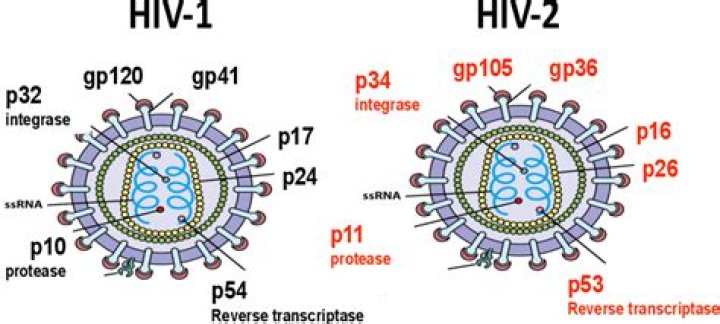
HIV-1 is the most common type of HIV and accounts for 95% of all infections, whereas HIV-2 is relatively uncommon and less infectious. HIV-2 is mainly concentrated in West Africa and the surrounding countries. HIV-2 is less fatal and progresses more slowly than HIV-1.
Are there different levels of HIV?
The three stages of HIV infection are (1) acute HIV infection, (2) chronic HIV infection, and (3) acquired immunodeficiency syndrome (AIDS). There is no cure for HIV, but treatment with HIV medicines (called antiretroviral therapy or ART) can slow or prevent HIV from advancing from one stage to the next.
What is the difference between HIV 1 and HIV 2?
HIV-1, which was discovered first, is the most widespread type worldwide. HIV-2 is more than 55% genetically different from HIV-1. HIV-2 is most common in western Africa and is becoming more common in India, although numbers there are still relatively small.
How many types of HIV are there?
The human immunodeficiency virus is classified into two main types: HIV-1 and HIV-2. HIV-1 was discovered first and is more prevalent worldwide, while HIV-2 is less pathogenic and is mostly confined to West Africa.
What happens if HIV-1 and HIV-2 go untreated?
If left untreated, HIV-1 and HIV-2 both weaken a person’s immune system, leaving them more vulnerable to other infections and disease. However, HIV-2 tends to develop more slowly than HIV-1.
What are the risk factors for HIV-1 and HIV-2 transmission?
Risk factors for HIV-1 and HIV-2 transmission include sex without a condom and sharing needles or syringes. However, there is little risk of transmitting HIV through sex if a person takes HIV medications correctly and is able to maintain an undetectable viral load. This can also significantly reduce the risk of mother-to-child transmission.