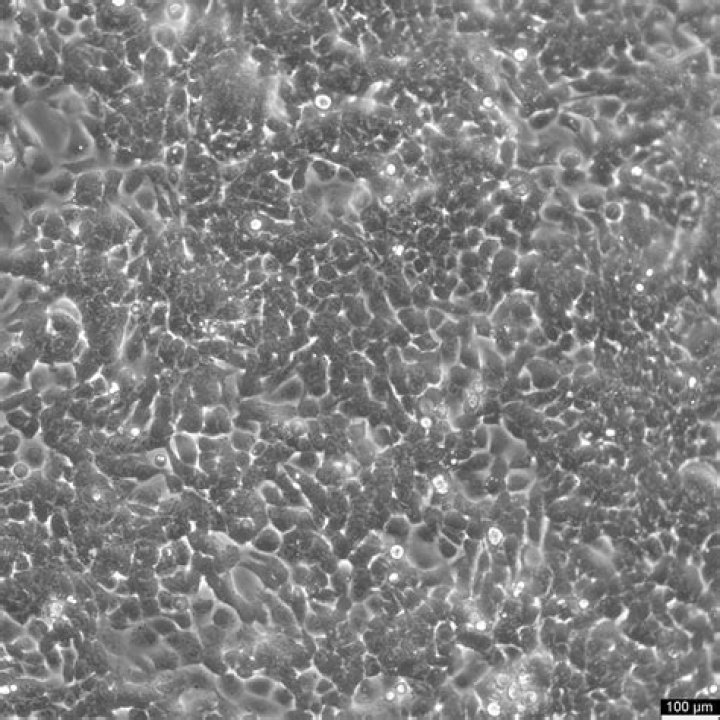
HCT116 (ATCC® CCL-247™) is a human colorectal carcinoma cell line initiated from an adult male. The cells are adherent with an epithelial morphology. Following implantation into immunocompromised mice, the cells form primary tumors and distant metastases.
What is LNCaP cells?
LNCaP cells are a cell line of human cells commonly used in the field of oncology. LNCaP cells are androgen-sensitive human prostate adenocarcinoma cells derived from the left supraclavicular lymph node metastasis from a 50-year-old caucasian male in 1977.
Are there lymph nodes in the prostate?
Lymph nodes are found throughout the body including in the pelvic area, near the prostate.
What is HCT 116?
HCT 116 Cell Line General Information General Information Organism Homo sapiens, human Cell Line Description HCT116 is a human colorectal carcinoma c Tissue Colon Morphology Epithelial
What is the pathophysiology of HCT116?
HCT116 is a human colorectal carcinoma cell line initiated from an adult male. The cells are adherent with an epithelial morphology. Following implantation into immunocompromised mice, the cells form primary tumors and distant metastases. In vitro, HCT116 cells grow with a doubling time of about 18 hours.
How long does it take for HCT116 to grow?
In vitro, HCT116 cells grow with a doubling time of about 18 hours. They are suitable for in vivo and in vitro experimentation. Immunocompromised mice can be used for in life studies, and will form tumors and metastases following implantation of the cells.
Why choose HCT116 reporter cell lines?
Our HCT116 reporter cell lines can be tracked in vivo, making them great tools for studying the mechanisms of tumor growth and metastasis, as well as evaluating the effects of various drugs or therapies in animals.