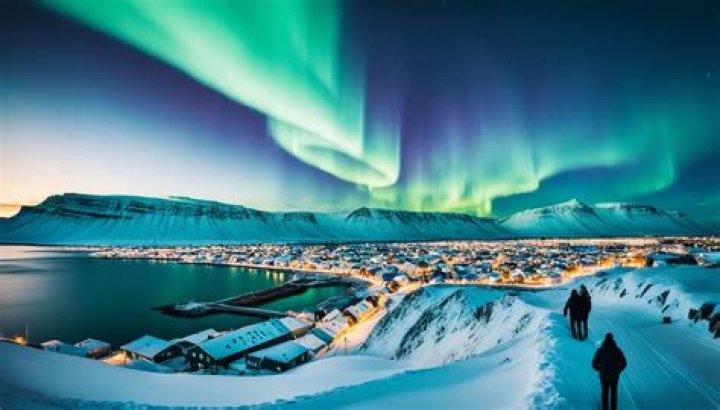
The northern lights are ongoing and are visible briefly even in the months of May and August (though because it never gets properly dark in Iceland in the summer, that would be the wrong time to go looking). September through March is the peak season for northern lights viewing because the nights are longest.
What is the best time to visit Iceland for Northern Lights?
The best time to see the aurora borealis in Iceland comes down to 2 factors: time of year and time of day. The best months are between October and March. The best time of day would be the hours around midnight.
When can you see the Northern Lights in Reykjavik?
Iceland is located at a high latitude, meaning there is no darkness from mid-April until mid-August. In this period of time, no Northern Lights can be observed. The Northern Lights season is from late August to mid-April. However, from late September to late March, it is dark after 6 pm, and one enjoys maximum chances.
Can you see the Northern Lights in Iceland in January?
The chances of seeing the Northern Lights in Iceland in January are incredibly high. This is because January has just a few hours of daylight. With longer nights, it’s easier to catch the lights. Wrap up warm in plenty of layers and chase the great aurora on the exclusive Northern Lights Tour from Reykjavik!
Can you see the Northern Lights from Reykjavik Iceland?
Yes, it’s possible to see the Northern Lights in Reykjavik! In fact, Reykjavik is the only capital city besides Nuuk, Greenland where you can see the Northern Lights. Reykjavikers swear they can see the lights from their bedroom windows during bright auroras!
When should I go to Reykjavik?
Midnight sun and warmer temperatures make summer the best season to visit Iceland. Although hikers will want to consider July and August as the best time to visit Iceland whereas February, March, September and October are typically the best time to visit Iceland for the Northern Lights.
What is Reykjavik like in January?
Weather in Iceland in January The temperature in the capital, Reykjavík, throughout January averages between 1° and -1° Celsius (between 30°F and 33° F), and rarely goes below -10°C (14°F). The coldest day in Reykjavík (by far) was measured on the 21st of January in 1918, -24.5°C (-12° F).
Is January a bad time to go to Iceland?
IS JANUARY A GOOD TIME TO GO TO ICELAND? January is a fantastic time to visit Iceland. It is one of Iceland’s coldest months and usually the time of year were we experience the most amount of snow. But it also is one of the best months for northern lights.
When is the best time to see the Northern Lights?
Best time to see Northern Lights. The season of aurora borealis in the Northern hemisphere generally lasts from August through April.
When is the best time to visit Iceland Northern Lights?
If you are interested in exploring the landscape, the best time to visit is between June and August but if you’re in search of the Northern Lights then September to March are the best months to visit Iceland.
When to see Northern Lights?
– Autumn (September to November) – As soon as the autumnal equinox has passed, it’s ‘aurora season’ across the northern hemisphere. – Winter (December to February) – The long winter season is understandably the best opportunity to see the northern lights. – Spring (March to May) – By the end of April, as Spring comes to the northern hemisphere, your chances of seeing the northern lights in the USA will become increasingly – Summer (June to August) – Summer, as you’d expect for most northern hemisphere destinations, is the wrong time of year to see the aurora.
When can one see Northern Lights?
The best time to see the Northern Lights is on a dark, clear night. This means that September through March tends to be the ideal time of year, though sometimes it’s possible to see the lights as late as April.