Many intestinal parasites (aka worms) like roundworms cause digestive issues, including gas, in dogs. There are also several types of gastrointestinal tumors that can affect dogs. Symptoms can include vomiting, diarrhea, and gas.
What can I give my dog for gas and diarrhea?
A bland diet for a day or two can also help your pooch’s issue. Plain-cooked white rice with a little chicken and some canned plain pumpkin (not pumpkin pie filling) could also help your pup’s tummy feel better. Once your dog is feeling better gradually reintroduce their regular food.
How long can gastroenteritis last in dogs?
Luckily, with prompt and correct treatment, gastroenteritis in dogs can clear up within a few days to a week. However, if it doesn’t seem to be going worse or you notice blood in their stool, take them back to the vet as soon as possible for further treatment.
What are the symptoms of a stomach virus in a dog?
What are the signs of gastroenteritis? Most dogs with gastroenteritis will have intermittent episodes of vomiting and diarrhea. The vomit may contain foamy, yellowish bile, especially after the stomach has been emptied. Many owners will observe dry heaving or gagging after their dog eats or drinks.
Why does my dog have bad gas all of a sudden?
If your dog is suddenly excessively gassy, it may be due to a medical condition. Possible causes include pancreatitis, liver disease, or food allergy or intolerance, particularly to lactose or grain.
Is it normal for a dog to have diarrhea and gas?
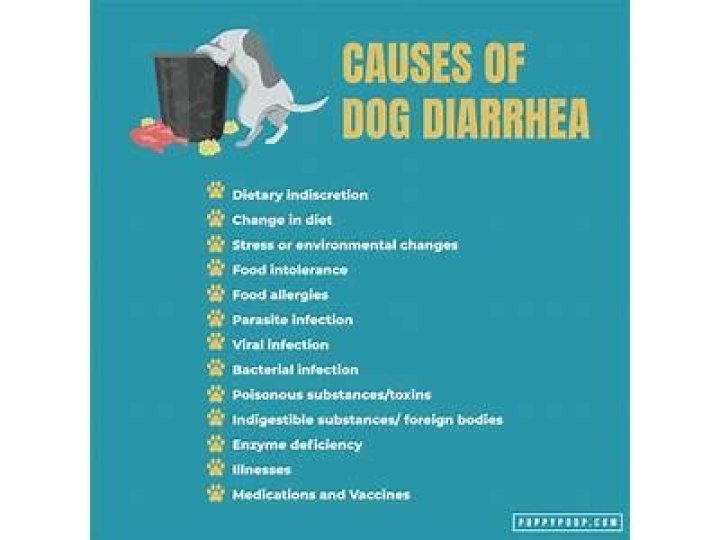
The gas will be eliminated through the anus. The elimination of gas may happen on a daily basis, as it is a normal process accompanying the digestion, but the dog may have excessive gas and this can also be accompanied by diarrhea. Dog flatulence and diarrhea can be caused by a few factors:
What does it mean when a dog throws up yellow bile?
The vomit may contain foamy, yellowish bile, especially after the stomach has been emptied. Many owners will observe dry heaving or gagging after their dog eats or drinks. “Most dogs with gastroenteritis will have intermittent episodes of vomiting and diarrhea.”
What causes diarrhea and vomiting in dogs with gastroenteritis?
It can be caused by infection with bacteria, viruses, parasites, medications, or even new foods. The condition often causes abdominal pain, diarrhea, vomiting, and/or other clinical signs. What are the signs of gastroenteritis? Most dogs with gastroenteritis will have intermittent episodes of vomiting and diarrhea.
What is the connection between dog flatulence and diarrhea?
Dog flatulence will often be paired with diarrhea, and may be the result of a non-food item ingested by the dog. However, the same symptoms may also be indicative of various other health problems. There are also a number of foods that can cause flatulence and diarrhea. Dog flatulence is the accumulation of gas in the intestines.