The Carbon Capture Facility is attached to the retrofitted 150 MW Power Unit #3 at Boundary Dam. It captures the carbon dioxide (CO2) instead of it being released into the atmosphere. This reduces carbon emissions from the coal-fired power unit, while producing a reliable, clean source of energy.
What does Boundary Dam do?
Carbon Capture and Storage (CCS) In 2014, the Boundary Dam Carbon Capture Project transformed the energy landscape. CCS technology can reduce up to 90% of greenhouse gas emissions from Unit 3. Since operations began, CCS prevented more than 4-million tonnes of CO2 entering the atmosphere.
What is the Boundary Dam project in Saskatchewan?
Boundary Dam integrated CCS retrofit, Saskatchewan, Canada.
Who owns Boundary Dam?
| Boundary Dam | |
|---|---|
| Owner(s) | City of Seattle |
| Dam and spillways | |
| Type of dam | Arch-gravity |
| Impounds | Pend Oreille River |
What is the generating capacity of Boundary Dam?
813 megawatts
| Boundary Dam Power Station | |
|---|---|
| Primary fuel | Coal (lignite) |
| Turbine technology | Steam turbine |
| Power generation | |
| Nameplate capacity | 813 megawatts |
What is meant by carbon capture and storage?
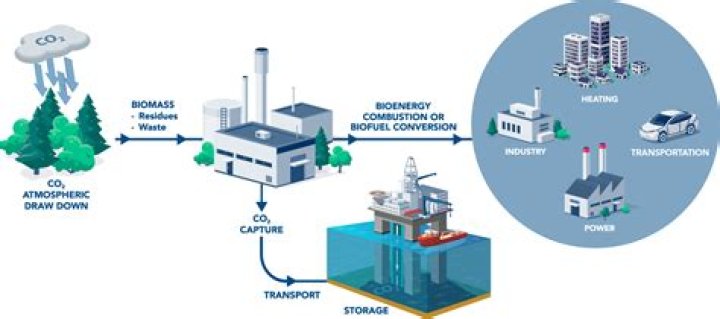
Carbon capture and storage (CCS) is the process of capturing and storing carbon dioxide (CO2) before it is released into the atmosphere. The technology can capture up to 90% of CO2 released by burning fossil fuels in electricity generation and industrial processes such as cement production.
How much power does Boundary Dam produce?
115 megawatts
Boundary Dam Unit #3 CCS at a glance… Produces 115 megawatts (MW) of power—enough to power about 100,000 Saskatchewan homes.
How is carbon captured and stored?
CCS involves the capture of carbon dioxide (CO2) emissions from industrial processes, such as steel and cement production, or from the burning of fossil fuels in power generation. This carbon is then transported from where it was produced, via ship or in a pipeline, and stored deep underground in geological formations.