Time of Day: Since Turkeys make their nest in trees and on the ground in wooded areas, one of the best times of day to hunt is first thing in the morning. Get out to your blind early and listen for the yelps, cackles, and gobbles of turkeys as they start in search for breakfast.
Do turkeys respond to calls in the fall?
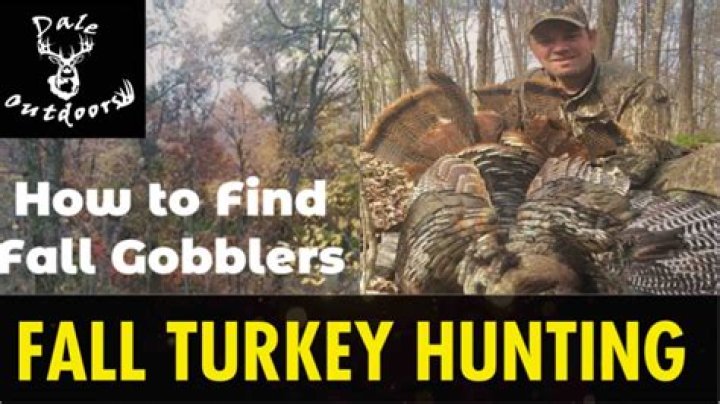
One of the biggest myths of hunting is that male turkeys respond to calling only in the spring. The fact is, toms gobble all fall, too, and are sometimes more vocal in autumn than in spring. And they can be very responsive to a call.
Do turkeys like thick woods?
This gobbler is avoiding thick dense young tree growth to stay in a more open woods with older trees. Turkeys have keen vision, both long-range and peripheral. They use it daily to detect danger from predators. If tree growth is too thick, they feel insecure and won’t use the area.
How do you attract turkeys in the fall?
Here are the best ways to get your turkey in the autumn season.
- Pick Off a Loner. If you spot a turkey off by itself, get ahead of it.
- Scatter and Recall. This classic fall turkey tactic is also the most fun.
- Get Under a Roost.
- Challenge a Flock.
- Provoke a Gobbler.
- Kee Kee Run.
- Lost Yelp.
- Gobbler Yelp.
Why do turkeys gobble in fall?
Spring gobblers call to draw hens to their roosted or ground-standing position. Fall gobblers likely do it to indicate their location too, but to male turkeys, since longbeard groups hang together then. Some territorial dominance is also likely at play when male turkeys gobble in fall.
Why do turkeys stop gobbling?
As the temperature increased, gobbling decreased. The average barometric pressure affected gobbling activity, as well. Lower pressure, often associated with rain, meant less gobbling. Birds were most active at 29.9 to 30.2 inches, and when the pressure fell below 29.7 inches, gobbling activity decreased dramatically.
What time should you start calling turkeys?
As a rule turkeys gobble best on clear, calm, high-pressure mornings in the spring. Stand on a ridge or bluff at dawn and you’re apt to hear birds gobbling a mile or more away in all directions. Not only can you hear well on a nice day, your calls also ring true and carry far. Any mouth or friction call works well.
What do turkeys do in the fall?
In the summer, they can often be found in meadows, feasting on grasses and insects like grasshoppers. In the fall, they will still haunt fields, particularly those with dropped corn or grain. But in much of the turkey’s range, they shift to the acorns and nuts – called mast by land managers – of hardwood forests.
What is fall wild turkey hunting like?
There is so much more to fall wild turkey hunting than just traipsing through the woods hoping to get a shot at a bird. From continually scouting the countryside to busting up flocks and calling them back together there are many action-packed aspects to fall wild turkey hunting.
When is the best time to hunt a Turkey?
Fortunately, all that has changed. Thanks to concerted efforts by the National Wild Turkey Federation and its partners, turkey populations are plentiful across the country and fall and spring are equally great times to head for the woods. As many as 44 states offer fall hunting, which gives turkey chasers another chance to tag a bird.
Why use a lone hen decoy for turkey hunting?
Birds in general can be pretty territorial, and since fall turkeys are locked onto food sources, they are usually quick to defend their turf. This is one of the reasons I almost always use a lone hen decoy when fall turkey hunting.
How many states offer fall turkey hunting?
As many as 44 states offer fall hunting, which gives turkey chasers another chance to tag a bird. Whether you’re looking for that second-chance tom or simply trying your hand at a flock of first-year birds, the tips that follow will help you have a great autumn experience.