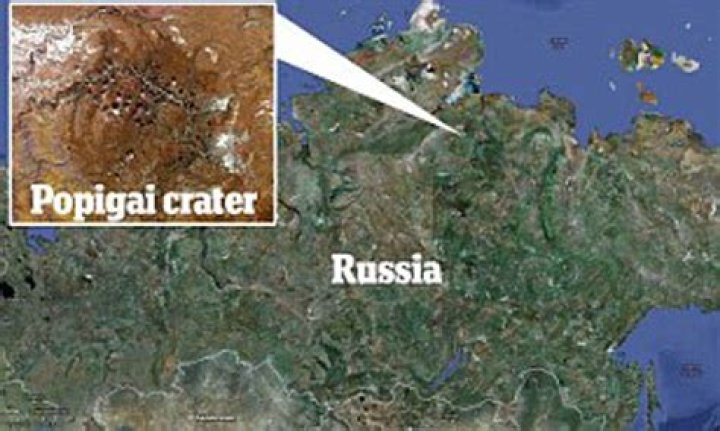
Siberia, Russia
The Popigai crater (or astrobleme) in Siberia, Russia, is tied with the Manicouagan Crater as the fourth largest verified impact crater on Earth. A large bolide impact created the 100-kilometre (62 mi) diameter crater approximately 35 million years ago during the late Eocene epoch (Priabonian stage).
How large is the Popigai crater?
It is one of the most studied of the Australian impact craters. The impactor, an asteroid or comet, was probably about 1 km in diameter and crashed into the earth about 142 million years ago.
What is the depth of the Popigai crater?
The depth of erosion varies in different crater sectors and concentric zones from 50 to 100 m to 300 m. The most significant erosion occurred on the crater rim. The crater rim has a complex inner structure and is composed of outwardly dragged and uplifted blocks of target rocks overlain by ejecta.
Are there diamonds in Russia?
Russia is the world’s largest producer of diamonds by volume. More than 43 million carats were mined in Russia in 2018, with most coming from the Yakutia region of Siberia. So far this year, the country’s largest diamond company, Alrosa, has sold more than $2.4 billion worth of diamonds.
Why does Russia have so much diamonds?
Russia as a Diamond Producer Russia as a country produces more gemstone diamonds than any country other than Botswana. [10] They have been mining diamonds and producing them in labs for a long time. If Popigai was a financial bonanza for any reason, they probably would have been mining it a long time ago.
Where is the crater that killed dinosaurs?
Yucatán Peninsula
The impact site, known as the Chicxulub crater, is centred on the Yucatán Peninsula in Mexico. The asteroid is thought to have been between 10 and 15 kilometres wide, but the velocity of its collision caused the creation of a much larger crater, 150 kilometres in diameter – the second-largest crater on the planet.
Where is the crater that destroyed the dinosaurs?
The crater left by the asteroid that wiped out the dinosaurs is located in the Yucatán Peninsula. It is called Chicxulub after a nearby town. Part of the crater is offshore and part of it is on land. The crater is buried beneath many layers of rock and sediment.